Concerns journalists are making the sport unserious by lacking critique.
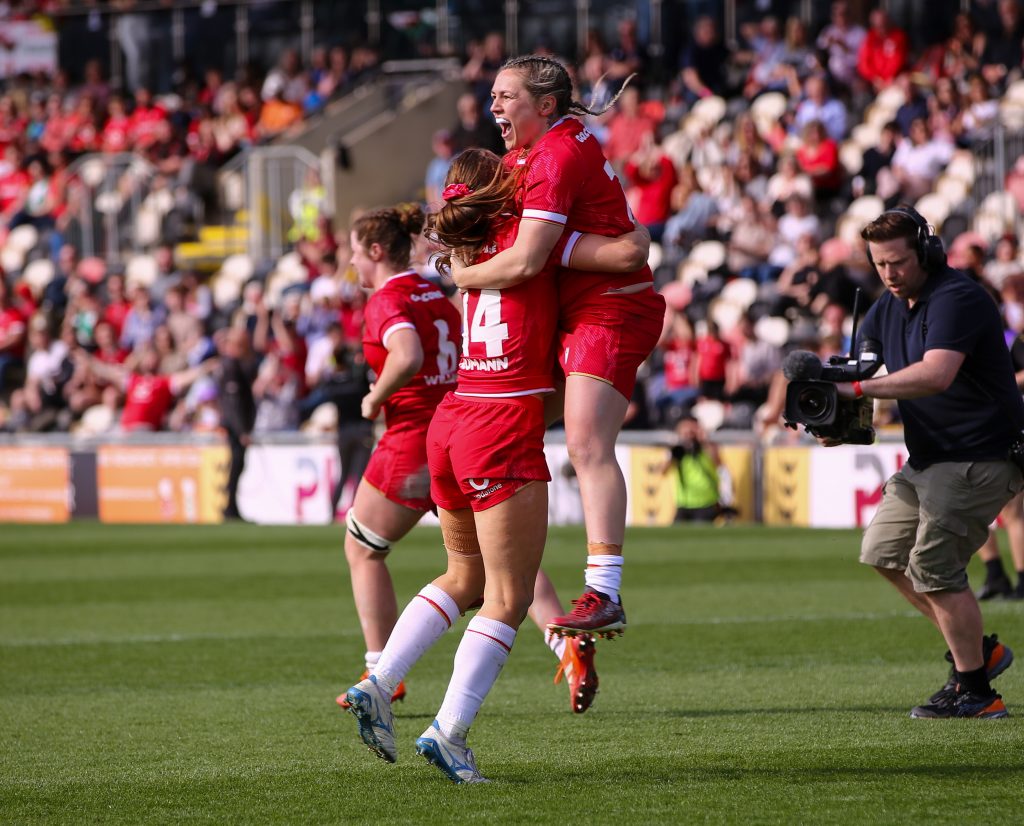
Wales Women’s players celebrating / Image courtesy of B.East Photography
Journalists in the rugby sphere are suggesting that the media is not critical enough of female rugby players, describing that articles are failing to be real about some performances of the women’s sport.
It is a famous line throughout the journalism industry that you are not in it to be liked, with criticality often building a writer’s name. Journalism can be key in making a difference throughout all sectors but can also be frowned with negativity.
This opinion of opening female players to the more ‘harsh reality’ of male players is what some journalists see as equality in the sport, and simply part of athletes and writer’s jobs.
Women’s rugby has come far recently, with sacrifices being made for years to contribute to this. English players had to do their job unpaid for 24 years longer than their male counterparts- and that’s only scratching the surface.
But, in this period of consistent growth and a visible future for the sport, some argue that equal treatment should be spread consistently through the positive and the negatives.
When you look across women’s rugby journalism in the UK, stories can seem simple and straight to the point when directly compared to the men’s- a partial contribution to the success of players podcasts that generate a more exciting look into the sport.
But, as with many other men’s sports, men’s rugby is much more widely criticised- some stories can be solely dedicated to the poor one-off performance of a male athlete or team.
After Wales Women and Men received wooden spoons for each respective Six Nations tournament this year, BBC Sport’s standfirst for the women’s article discussed how eventful the team campaign was off the pitch. The men’s article however was simply, ‘Did that really happen?’.
Women’s individual and team stories are generally much more congratulating, especially in light of the Ilona Maher effect. There are (rightly so) stacks of articles reading Maher’s positive influence and great play in the sport.
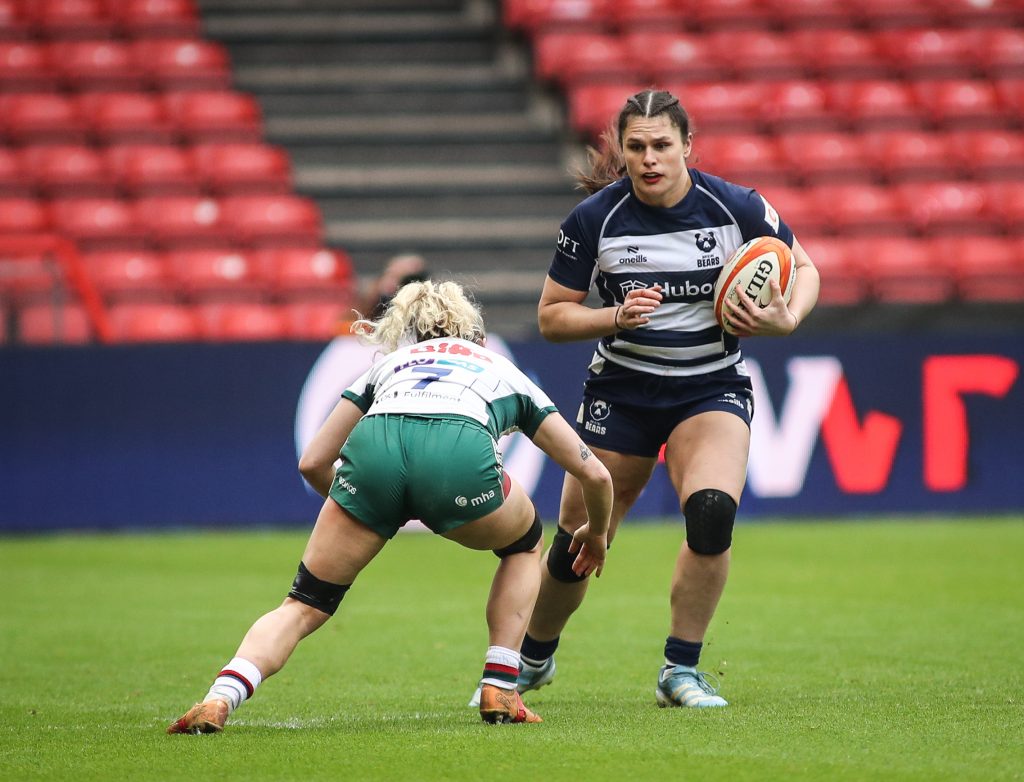
Ilona Maher playing for Bristol Bears / Image courtesy of B.East Photography
Players of both sexes have good and bad games, and the field of sports is one athlete’s go into with the intention of being criticised, so is it fair if the media doesn’t make these criticisms?
The increasing social media landscape and introduction of journalism into media form is considerable though, especially discussing the active hate by the public.
Women’s rugby still receives much more backlash online, with the like of Jasmine Joyce and Sarah Bern having to make statements just for making TikToks after matches. Some deemed this unprofessional and argued it showed ‘poor quality’ in the female sport.
Arguably, criticisms through social media outweigh the need for those from journalists, despite the qualification of the latter being much higher.
Sadly, despite the disregard for sexist comments online, their presence is still very much there with statements a constant part of women’s rugby feeds meaning arguably, athletes are still receiving the same number of (if not more) critical opinions.
There is, however, a difference between criticism and hate- the same difference between journalists and trolls. Some may argue that different formats of criticism mean that athletes should be criticised equally in journalism, with social media a separate issue.
One anonymous grassroots manager told Her Try they agree with views the media should be harsher, “for players to realize [they’re] not meeting everybody’s needs to a degree”. They described the need for “a wakeup call”, to stop players getting too complacent.
Avoiding criticism in sport can stunt growth and prevent player development. If an athlete is praised too often, their ego will naturally boost- but extensive amounts can lead to arrogance.
The journalistic coverage of this sport is ever-growing, yet the general focus is usually to encourage more external fans. But, with honest analysis promoting professional standards, this may lead to external fans seeing the sport as unserious.
Existing fans also still need access to journalism catered to them, and according to the European Journal for Sports and Society, 83.6% of rugby fans last year had a progressive view towards the women’s game.
This growing equality shows less of a need for ‘persuasive’ articles that only show fans the positive sides of the sport. At a time where serosity in supporters is growing, honesty in the media should too.
A rise does not yet mean full equality, and it can be argued these views are jumping ahead of the curve. By being harsher when they can still improve, the media could instead stunt their confidence.
An anonymous ex international athlete and rugby fan told us that women’s players should continue to be encouraged. They described how many more barriers they have had to overcome and that it could knock international players and those “working hard to become as good as them”.
Factually, women’s rugby still receives fewer assets than the men’s game with a National Library of Medicine study revealing that last year, ‘women typically had less access to resources compared to equivalent level men’s teams’.
Differences in the sport also raise points of equity being more important than equality, as fewer supplies mean fewer opportunities. Until men’s and women’s rugby are equal elsewhere, they shouldn’t be equal in criticism.
By being critical on players, fans can also be critical on journalists. This type of journalism releases the opportunity for repercussions from fans and the public.
With backlash at the forefront of publications minds, the risk of reducing their audiences may also strike a nerve. Until one outlet can make this change successfully, the media will struggle to adopt this as a norm.
Ahead of a historic Women’s Rugby World Cup this summer, rugby journalism is seeing no signs of becoming drastically harsher on female athletes yet. But, if journalists are sharing this view within their circle, this may be set to change.

Leave a Reply